



Blog
Acid Lime Canker

Acid Lime Diseases
Canker
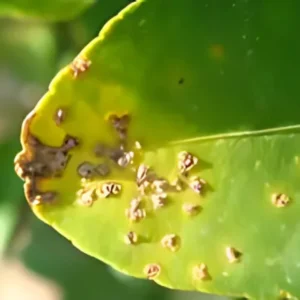
Symptoms
-
Symptoms on Leaves:
- Lesions: The initial symptoms appear as small, water-soaked spots on the underside of leaves. These spots develop into raised, corky lesions with a yellow halo.
- Leaf Drop: Infected leaves may eventually become brittle and drop prematurely. Severe infections can lead to significant leaf loss.
-
Symptoms on Fruit:
- Canker Lesions: On fruit, the lesions start as small, sunken, and water-soaked spots. These spots can enlarge to form irregular, raised lesions with a rough surface and a yellowish halo.
- Fruit Drop: Severe infections can cause fruit to drop prematurely or become unmarketable due to unsightly lesions.
-
Symptoms on Twigs and Branches:
- Cankers: On twigs and branches, cankers appear as sunken, rough areas that can expand and girdle the branch, leading to dieback.
2. Citrus Scab (Elsinoë fawcettii)
-
Symptoms on Leaves:
- Scabby Lesions: The lesions are small, raised, and corky, typically with a gray or yellowish center and a darker margin. They can cause the leaves to become distorted and drop prematurely.
-
Symptoms on Fruit:
- Scabby Lesions: Fruit lesions are similar to those on leaves—raised, corky, and often with a scabby appearance. They cause cosmetic damage and can lead to reduced fruit quality.
-
Symptoms on Twigs:
- Cankers: Twigs can develop scabby lesions that may lead to dieback if severe.
Management
- Bacterial Canker:
- Copper-based Fungicides: Apply copper-based fungicides (e.g., copper oxychloride, copper hydroxide) to control bacterial canker. These fungicides help to reduce bacterial populations on the plant surface.
- Oxytetracycline: In severe cases, antibiotic treatments such as oxytetracycline can be used. However, these should be applied carefully and according to local regulations.
- Citrus Scab:
- Fungicides: Apply fungicides such as copper-based products and strobilurins (e.g., Azoxystrobin) to manage citrus scab. Timing applications during periods of high humidity or rain is crucial for effective control.
- Timing of Application: Fungicides should be applied preventively, before the onset of wet conditions or high humidity that favors disease development.
3. Biological Control:
-
- Beneficial Microorganisms: Some biological control agents, like certain strains of Trichoderma, may help in managing fungal pathogens by outcompeting them or producing antifungal compounds.
|
Fungicide |
Dosage |
|---|---|
|
0.5 gm/lit |
|
|
1 ml/lit |
|
|
20 gm/acre |
-
Symptoms on Leaves:
- Lesions: The initial symptoms appear as small, water-soaked spots on the underside of leaves. These spots develop into raised, corky lesions with a yellow halo.
- Leaf Drop: Infected leaves may eventually become brittle and drop prematurely. Severe infections can lead to significant leaf loss.
-
Symptoms on Fruit:
- Canker Lesions: On fruit, the lesions start as small, sunken, and water-soaked spots. These spots can enlarge to form irregular, raised lesions with a rough surface and a yellowish halo.
- Fruit Drop: Severe infections can cause fruit to drop prematurely or become unmarketable due to unsightly lesions.
-
Symptoms on Twigs and Branches:
- Cankers: On twigs and branches, cankers appear as sunken, rough areas that can expand and girdle the branch, leading to dieback.
2. Citrus Scab (Elsinoë fawcettii)
-
Symptoms on Leaves:
- Scabby Lesions: The lesions are small, raised, and corky, typically with a gray or yellowish center and a darker margin. They can cause the leaves to become distorted and drop prematurely.
-
Symptoms on Fruit:
- Scabby Lesions: Fruit lesions are similar to those on leaves—raised, corky, and often with a scabby appearance. They cause cosmetic damage and can lead to reduced fruit quality.
-
Symptoms on Twigs:
- Cankers: Twigs can develop scabby lesions that may lead to dieback if severe.
- Bacterial Canker:
- Copper-based Fungicides: Apply copper-based fungicides (e.g., copper oxychloride, copper hydroxide) to control bacterial canker. These fungicides help to reduce bacterial populations on the plant surface.
- Oxytetracycline: In severe cases, antibiotic treatments such as oxytetracycline can be used. However, these should be applied carefully and according to local regulations.
- Citrus Scab:
- Fungicides: Apply fungicides such as copper-based products and strobilurins (e.g., Azoxystrobin) to manage citrus scab. Timing applications during periods of high humidity or rain is crucial for effective control.
- Timing of Application: Fungicides should be applied preventively, before the onset of wet conditions or high humidity that favors disease development.
3. Biological Control:
-
- Beneficial Microorganisms: Some biological control agents, like certain strains of Trichoderma, may help in managing fungal pathogens by outcompeting them or producing antifungal compounds.
|
Fungicide |
Dosage |
|---|---|
|
0.5 gm/lit |
|
|
1 ml/lit |
|
|
20 gm/acre |
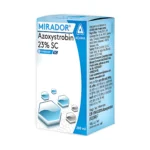
Add to wishlist
Adama Mirador
Fungicides
₹499 – ₹4,200
Select options
This product has multiple variants. The options may be chosen on the product page
Quick view
-16%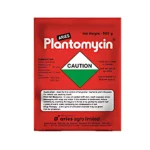
Add to wishlist
Aries Plantomycin
Fungicides
₹299 – ₹505
Select options
This product has multiple variants. The options may be chosen on the product page
Quick view
-2%
Add to wishlist
Dhanuka Conika
Fungicides
₹355 – ₹2,599
Select options
This product has multiple variants. The options may be chosen on the product page
Quick view
