



Blog
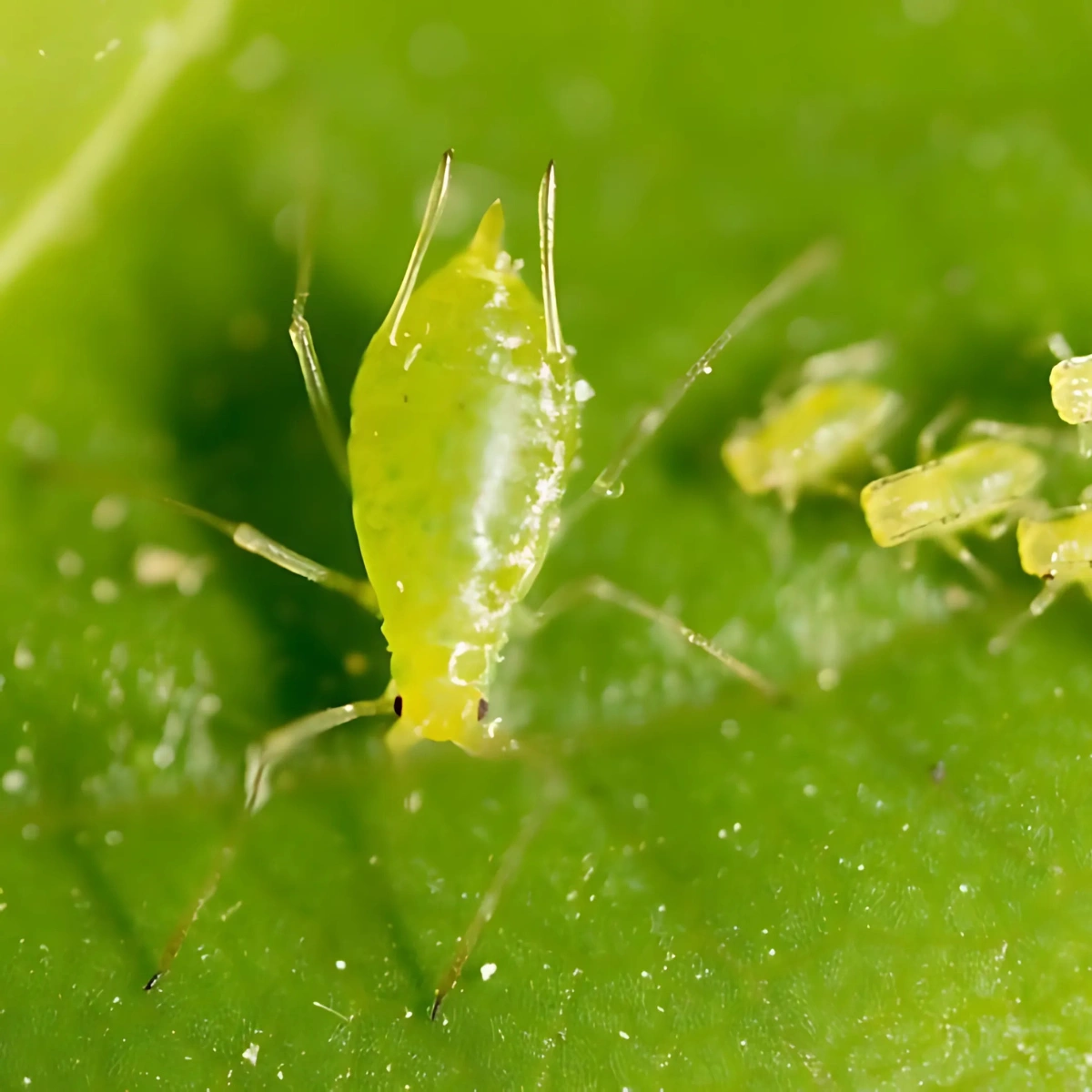
Acid Lime Aphids

Acid Lime Pests
Aphids
Symptoms
- Leaf Curling and Distortion: Aphid feeding causes leaves to curl, wrinkle, or become deformed. Young leaves and shoots are particularly susceptible to damage.
- Yellowing and Wilting: Leaves may yellow and wilt due to the loss of sap and nutrients, reducing the plant’s overall health and vigor.
- Honeydew and Sooty Mold: Aphids excrete a sugary substance known as honeydew, which can coat leaves and fruits. This honeydew promotes the growth of sooty mold, a black fungus that can interfere with photosynthesis and reduce fruit quality.
- Reduced Growth and Yield: Heavy infestations can stunt growth, reduce fruit set, and diminish the overall yield of the lime trees.
- Virus Transmission: Aphids are known vectors of plant viruses, which can further damage lime crops.
Identification
-
- Appearance: Aphids are small, soft-bodied insects, usually 1-3 mm in size. They can be green, black, yellow, or brown, depending on the species. Aphids have a pear-shaped body with two distinctive tubercles (cornicles) protruding from the back.
- Behavior: Aphids tend to cluster on the undersides of leaves, young shoots, and flower buds, where they feed on plant sap. They can reproduce rapidly, especially under favorable conditions.
-
Nymphs:
- Appearance: Nymphs look like smaller versions of adult aphids but lack wings. They are usually found in large numbers alongside adults.
- Behavior: Nymphs, like adults, feed on plant sap and can cause significant damage when populations are high.
Management
- Reflective Mulch: Use reflective mulches in the orchard to repel aphids by confusing them and making it difficult for them to locate their host plants.
- Natural Predators: Encourage or introduce natural predators such as lady beetles (Coccinellidae), lacewings (Chrysopidae), and hoverflies (Syrphidae) that feed on aphids.
- Parasitic Wasps: Introduce parasitic wasps like Aphidius colemani that specifically target and parasitize aphids, effectively controlling their population.
- Entomopathogenic Fungi: Use biopesticides containing fungi like Beauveria bassiana or Verticillium lecanii, which infect and kill aphids.
|
Insecticide |
Dosage |
|---|---|
|
2 mg/lit |
|
|
2 mg/lit |
|
|
1 ml/lit |
|
|
0.3 gm/lit |
- Leaf Curling and Distortion: Aphid feeding causes leaves to curl, wrinkle, or become deformed. Young leaves and shoots are particularly susceptible to damage.
- Yellowing and Wilting: Leaves may yellow and wilt due to the loss of sap and nutrients, reducing the plant’s overall health and vigor.
- Honeydew and Sooty Mold: Aphids excrete a sugary substance known as honeydew, which can coat leaves and fruits. This honeydew promotes the growth of sooty mold, a black fungus that can interfere with photosynthesis and reduce fruit quality.
- Reduced Growth and Yield: Heavy infestations can stunt growth, reduce fruit set, and diminish the overall yield of the lime trees.
- Virus Transmission: Aphids are known vectors of plant viruses, which can further damage lime crops.
-
- Appearance: Aphids are small, soft-bodied insects, usually 1-3 mm in size. They can be green, black, yellow, or brown, depending on the species. Aphids have a pear-shaped body with two distinctive tubercles (cornicles) protruding from the back.
- Behavior: Aphids tend to cluster on the undersides of leaves, young shoots, and flower buds, where they feed on plant sap. They can reproduce rapidly, especially under favorable conditions.
-
Nymphs:
- Appearance: Nymphs look like smaller versions of adult aphids but lack wings. They are usually found in large numbers alongside adults.
- Behavior: Nymphs, like adults, feed on plant sap and can cause significant damage when populations are high.
- Reflective Mulch: Use reflective mulches in the orchard to repel aphids by confusing them and making it difficult for them to locate their host plants.
- Natural Predators: Encourage or introduce natural predators such as lady beetles (Coccinellidae), lacewings (Chrysopidae), and hoverflies (Syrphidae) that feed on aphids.
- Parasitic Wasps: Introduce parasitic wasps like Aphidius colemani that specifically target and parasitize aphids, effectively controlling their population.
- Entomopathogenic Fungi: Use biopesticides containing fungi like Beauveria bassiana or Verticillium lecanii, which infect and kill aphids.
|
Insecticide |
Dosage |
|---|---|
|
2 mg/lit |
|
|
2 mg/lit |
|
|
1 ml/lit |
|
|
0.3 gm/lit |
Add to wishlist
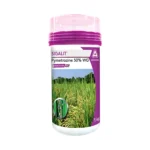
Adama Sigalit
Insecticides
₹750 – ₹2,799
Select options
This product has multiple variants. The options may be chosen on the product page
Quick view
-13%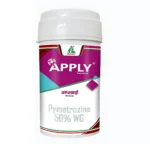
Add to wishlist
Dhanuka Apply
Insecticides
₹580 – ₹1,999
Select options
This product has multiple variants. The options may be chosen on the product page
Quick view
-12%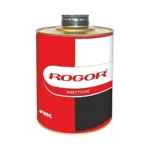
Add to wishlist
FMC Rogor
Insecticides
₹199 – ₹644
Select options
This product has multiple variants. The options may be chosen on the product page
Quick view
Add to wishlist
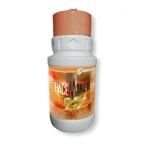
Willowood Pace Maker
Insecticides
₹677 – ₹2,100
Select options
This product has multiple variants. The options may be chosen on the product page
Quick view
